Healthy Gaming Habits: How to Enjoy Short Game Breaks
Quick browser games can be a great way to relax and reset. These simple habits help kids and grown-ups keep game breaks short, fun and balanced.
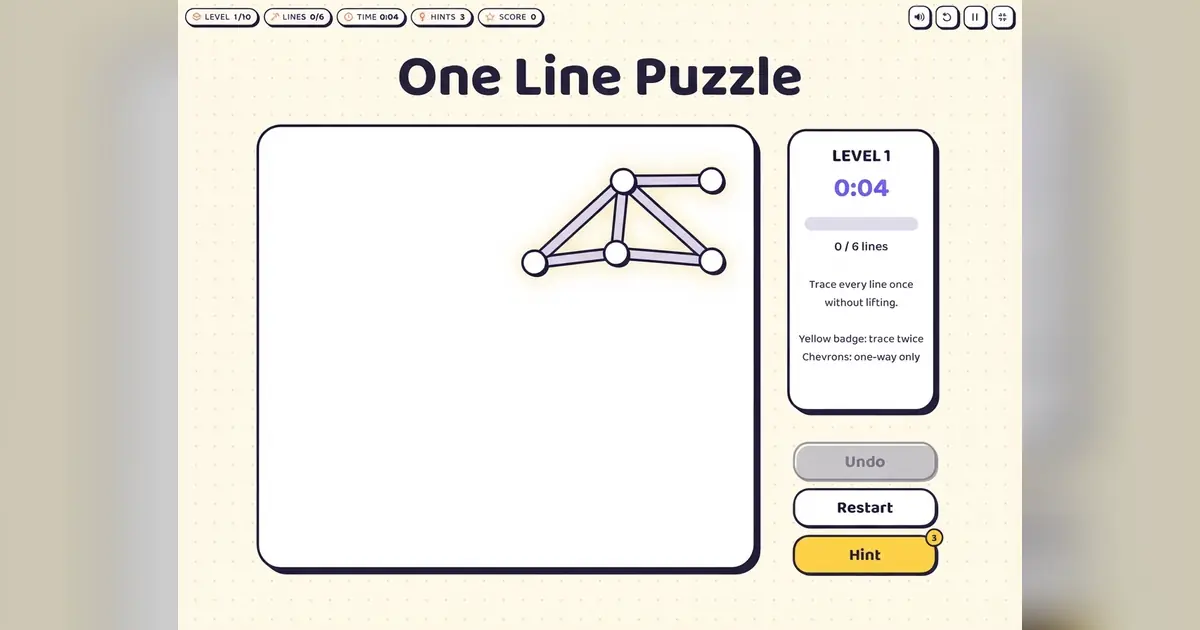
A short game can be a lovely way to take a break. Five minutes with a calm puzzle can clear your head between tasks, give tired eyes a change of focus and put a smile on your face. Like most good things, games are best enjoyed in balance. This guide shares simple, practical habits for keeping game breaks healthy and fun, for players of every age.
Why short game breaks can help
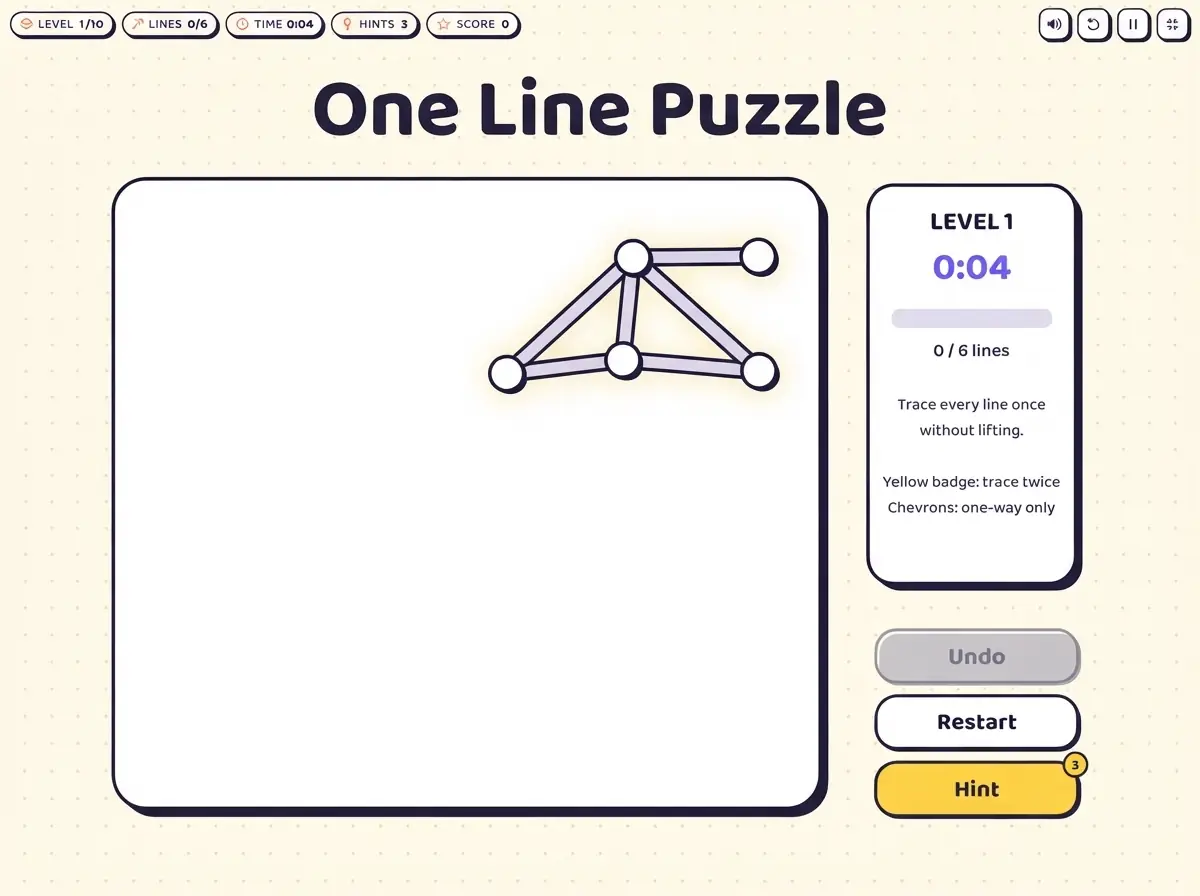
Taking regular breaks is a well-known way to stay fresh during long periods of work or study. A short, absorbing activity gives your mind something different to focus on. Puzzle games are particularly good for this because they are calm, self-contained and do not need long sessions. A single figure in One Line or one level of Water Sort Online takes only a few minutes.
Habit 1: Pick games with natural stopping points
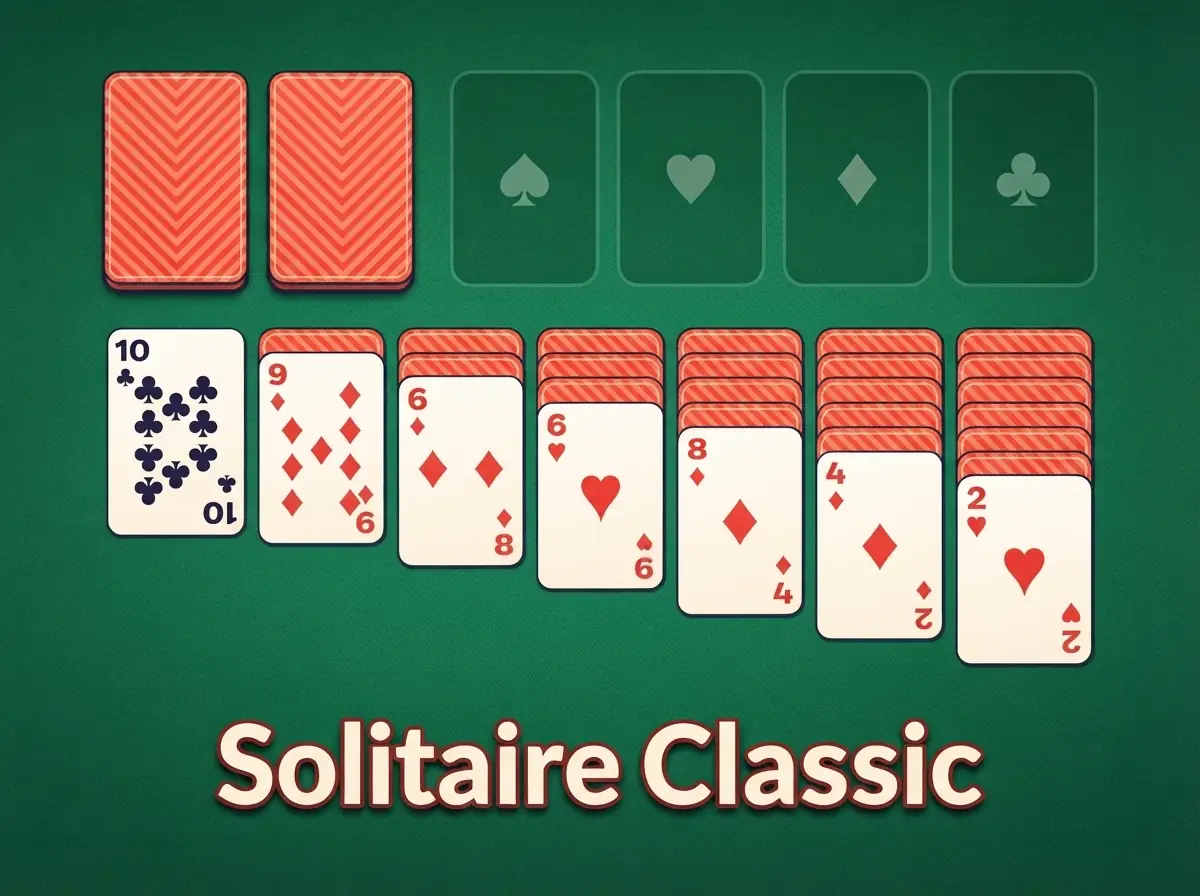
Some games are designed around levels, rounds or single puzzles. Those make it easy to stop, because each one ends with a clear finish. Endless games can be just as fun, but it is harder to know when to put them down. For a quick break, choose a level-based puzzle or a single game of Solitaire Classic, and decide in advance how many levels you will play.
Habit 2: Set a time or level limit before you start
"Just one more" is part of the fun, but it can stretch a five-minute break into an hour. Decide on a limit before you press play, such as two levels or ten minutes, and use a timer if that helps. Ending on a win is a great feeling, so many players like to stop right after finishing a level.
Habit 3: Look after your eyes and posture
- Follow the 20-20-20 idea. Every twenty minutes, look at something about twenty feet (six metres) away for around twenty seconds.
- Blink and rest. People tend to blink less when concentrating on a screen. A pause between levels is a good moment to rest your eyes.
- Sit comfortably. Keep the screen at a comfortable distance and avoid hunching over a phone for long periods.
- Light the room. Playing in a dark room with a bright screen is tiring for your eyes.
Habit 4: Move between sessions
After a game break, stand up, stretch, walk around or get a glass of water before getting back to work. Combining a mental break with a little physical movement helps you feel properly refreshed.
Habit 5: Choose the right game for your mood
Different games suit different moments:
- Calm and focused: sorting and line-drawing puzzles, such as Water Sort Online and One Line.
- Thoughtful: card games and logic puzzles, such as Solitaire Classic.
- Energetic: arcade and racing games, which are better for a fun burst of action than for winding down before bed.
If you want to relax, pick something slow and gentle. Fast, competitive games are exciting, but they are less helpful when you are trying to unwind.
Habit 6: Keep it social and positive
Games are more fun shared. Families can take turns on a puzzle, compare scores or solve a tricky level together. Celebrating progress rather than focusing on losses keeps the experience positive, especially for younger players.
Tips for parents and carers
- Agree on simple rules together, such as when and for how long games can be played.
- Play together sometimes. It is a great way to see what your child enjoys and to share the fun.
- Prefer games without pressure. Look for games with no sign-ups, no chat with strangers and no need to pay. Every game on CrazyFunPlay is free to play in the browser, with no account needed.
- Keep games out of bedtime. Screens and exciting games just before sleep can make it harder to settle.
Signs a break has become too long
It is worth pausing to reflect if games regularly replace sleep, meals, schoolwork, exercise or time with friends, or if stopping often causes frustration. Most of the time, a simple time limit and a few screen-free activities restore the balance.
Final thoughts
Games are best when they add joy to your day without taking over. Choose games with natural stopping points, set a limit, look after your eyes and move between sessions. For calm, bite-sized breaks, explore our Brain and Casual categories.