Brain Games and Problem-Solving: What They Train
Can puzzle games make you a better thinker? We look at the skills brain games actually exercise, what the evidence suggests, and how to play in a way that helps.
Brain games are often marketed with big promises. Play for ten minutes a day and become smarter! The reality is more modest, but still interesting. Puzzle and logic games genuinely exercise several thinking skills, and playing them thoughtfully can make you a more confident problem-solver. Here is what they actually train.
Planning ahead
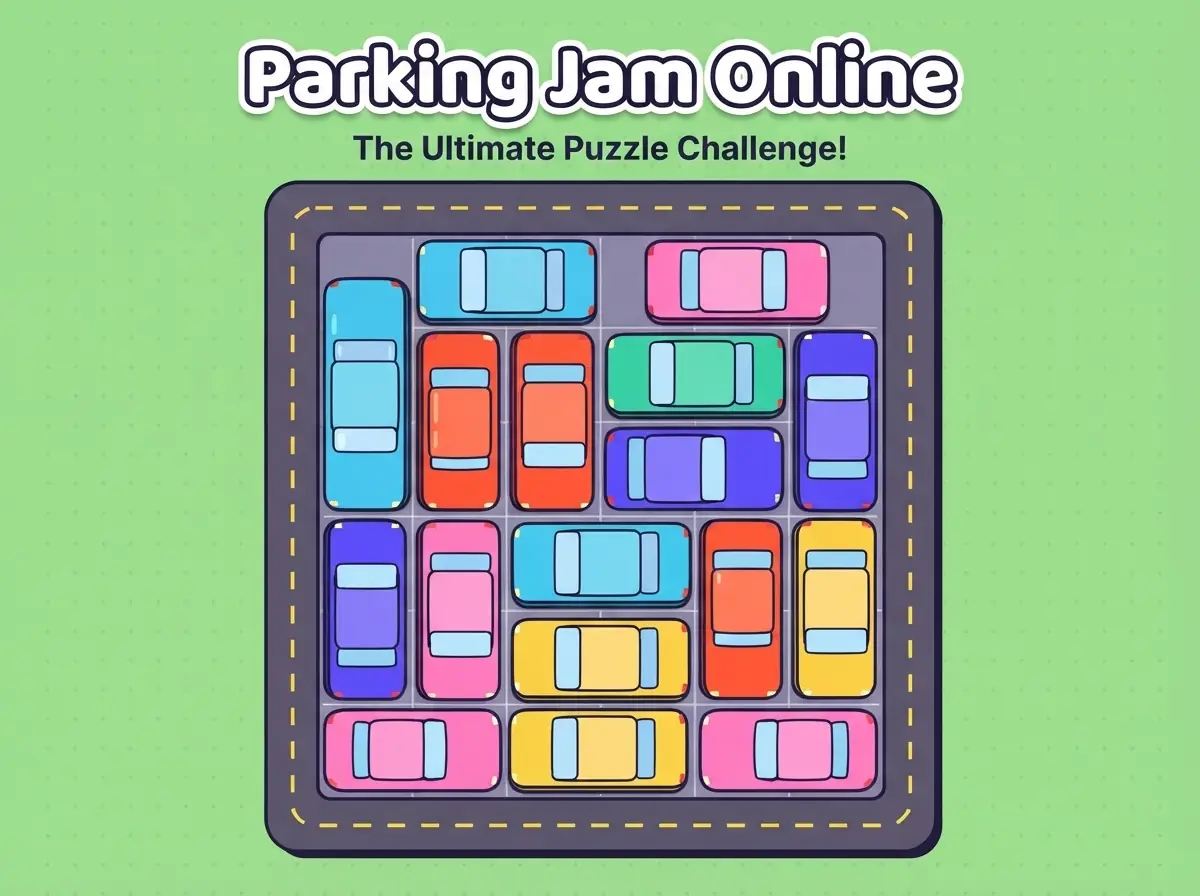
Many puzzles punish impulsive moves. In a parking puzzle like our Parking Jam Online, moving the wrong car first can leave the exit blocked. You learn to picture two or three moves ahead before acting. That habit of pausing to plan is useful well beyond games.
Breaking problems into steps
A large puzzle is rarely solved in one leap. You solve a corner, then an edge, then the middle. Practising this kind of step-by-step thinking helps with any complex task, from organising a project to fixing something at home.
Spotting patterns
Puzzle games reuse structures. After a while, you begin to recognise them instantly: "this is the kind of board where you start from the top-left". Pattern recognition is a core part of expertise in almost every field, and games provide lots of fast, low-stakes practice.
Working memory
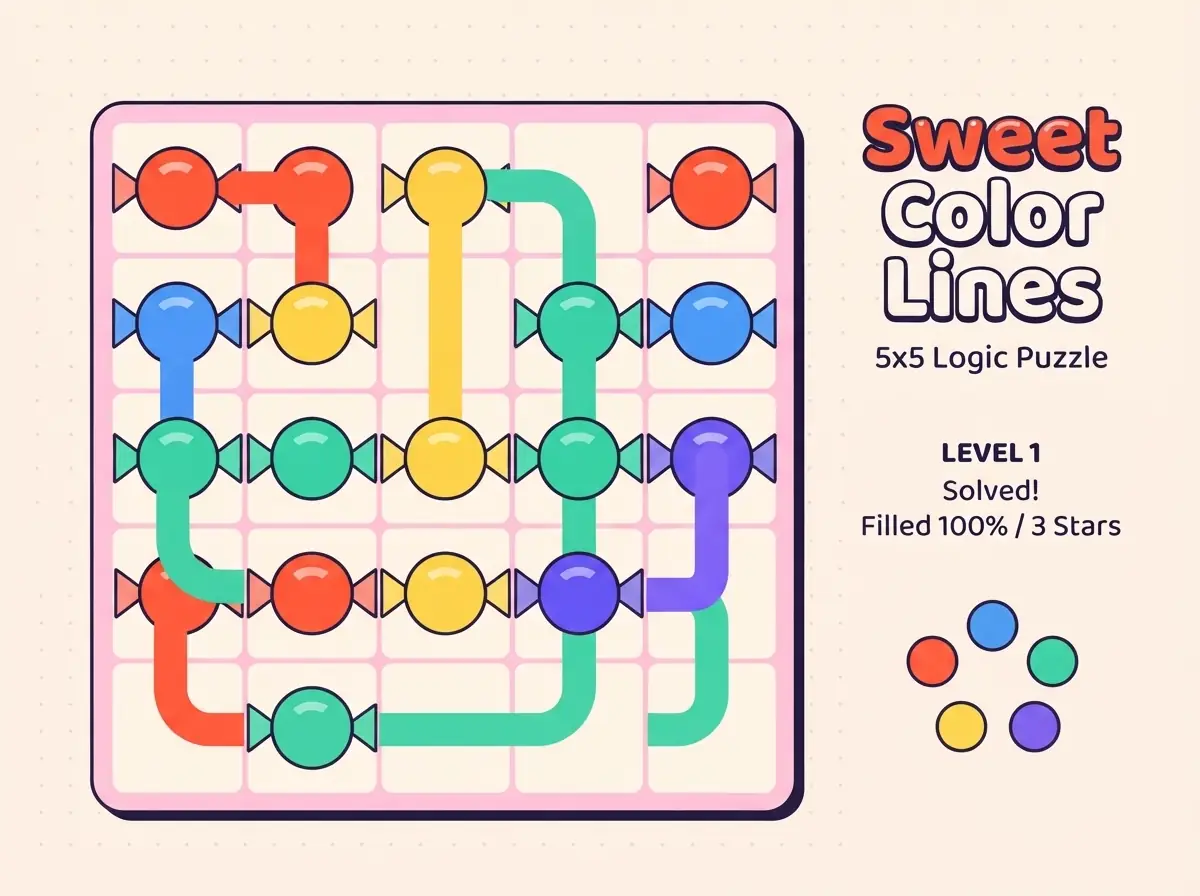
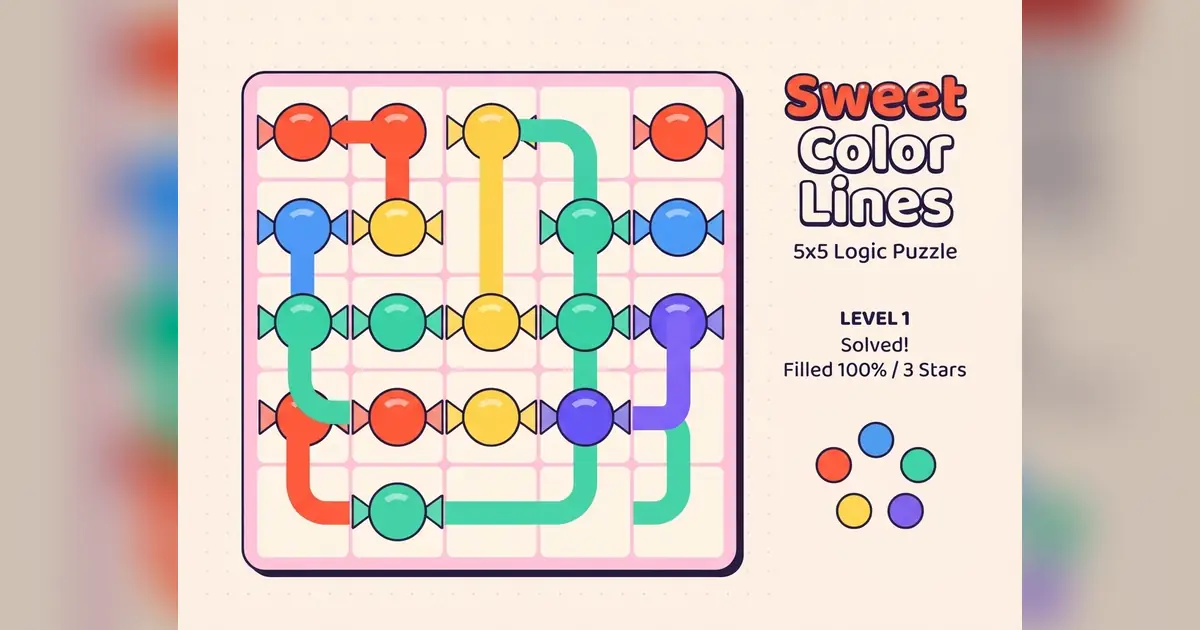
Keeping track of several things at once is called working memory. Path puzzles like Sweet Color Lines ask you to remember which routes you have already tried. Sorting games ask you to remember which colours are buried where. These are small, focused workouts for your short-term memory.
Flexible thinking
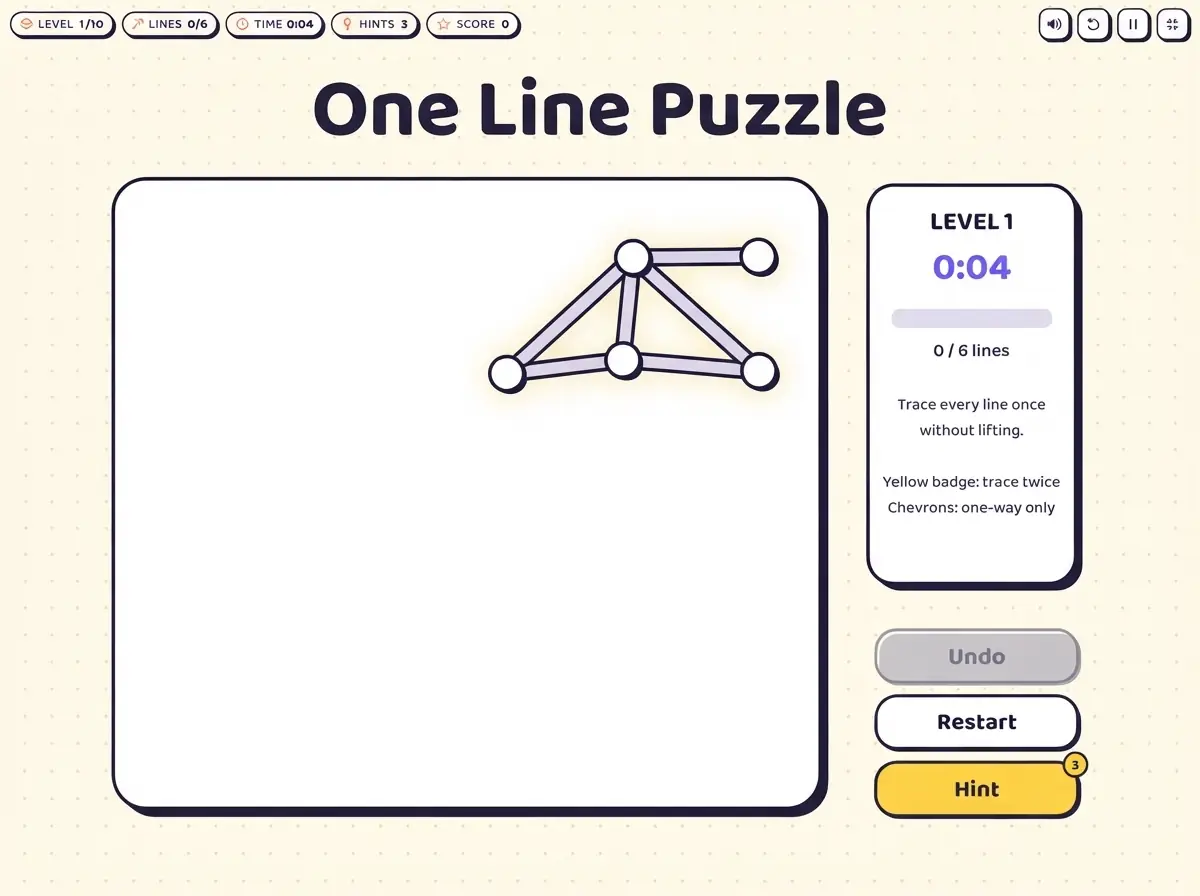
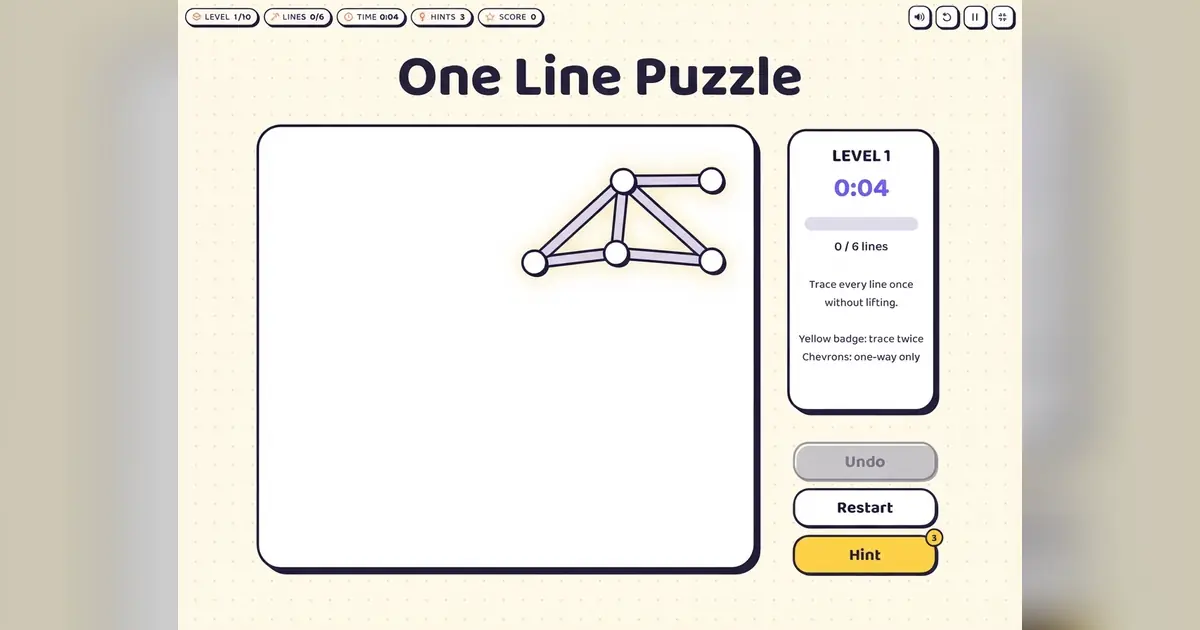
Sometimes your first idea is wrong, and the only way forward is to let it go and try another approach. Logic puzzles such as One Line, where you must draw a shape without lifting your finger, often require exactly this. Being willing to change strategy is a valuable skill in its own right.
What the evidence suggests
Research on brain training is mixed. Games reliably make you better at those games, and at closely related tasks. Broad claims that they raise general intelligence are not well supported. What does seem clear is that challenging, varied mental activity is good for you, and that enjoying it makes you more likely to keep doing it.
In other words: play brain games because they are fun and engaging, and treat any thinking benefits as a welcome bonus.
How to play in a way that helps
- Mix it up. Try different puzzle types rather than repeating one forever.
- Increase the challenge gradually. Stay at a level that makes you think, but does not frustrate you.
- Reflect on your solutions. After a tough level, ask what the key insight was.
- Keep sessions short. Focused ten-minute sessions beat tired hour-long ones.
Pick the skill, then the game
"Brain game" is a wide label. Matching a game to the skill you want to practise keeps the session honest.
- Planning a route: One Line and Sweet Color Lines.
- Remembering a growing pattern: Color Sequence and Pattern Memory.
- Arithmetic with a constraint: Number Path and Equation Rush.
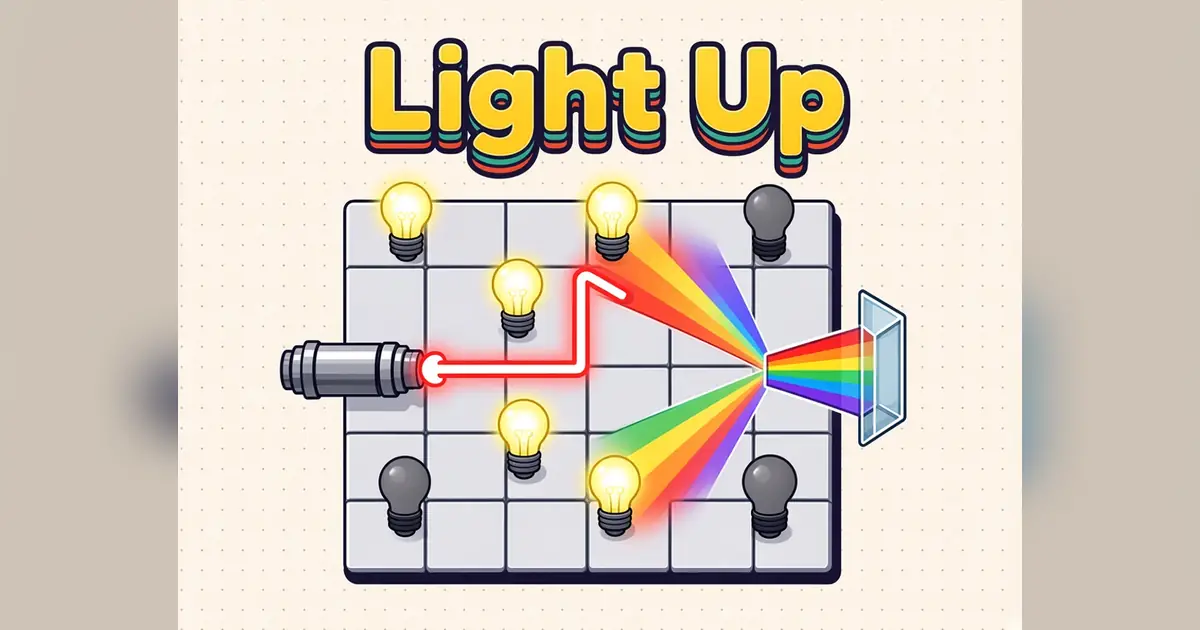
- Cause and effect: Light Up and Logic Gates.
One of those per day is enough. Playing all of them in an hour is a tour, not practice.
Final thoughts
Brain games will not turn you into a genius overnight, but they are a fun way to practise planning, pattern-spotting and flexible thinking. For practical techniques, read How to Improve Your Puzzle-Solving Skills, then browse our Brain category.