How We Test a Browser Game Before It Goes on CrazyFunPlay
Every game on CrazyFunPlay is played on a phone and a computer before it is published. Here is the checklist we actually use, and the problems that keep a game off the site.
CrazyFunPlay is a small library on purpose. A long list of games that half-work is worse than a short list you can trust, so a game has to pass a review before it gets a page. This is the process, written out so you can see what "reviewed" means here. It is the same checklist linked from our About page.
We play it before we describe it
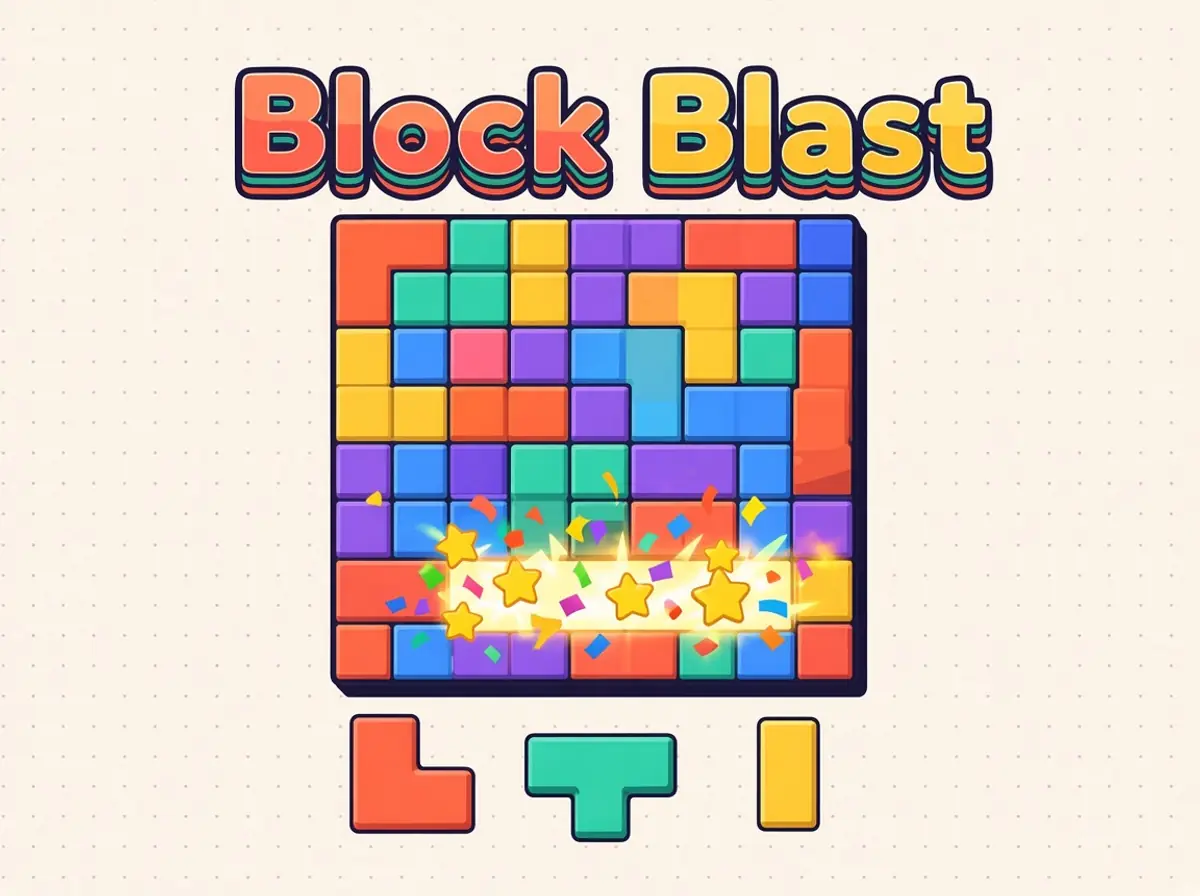
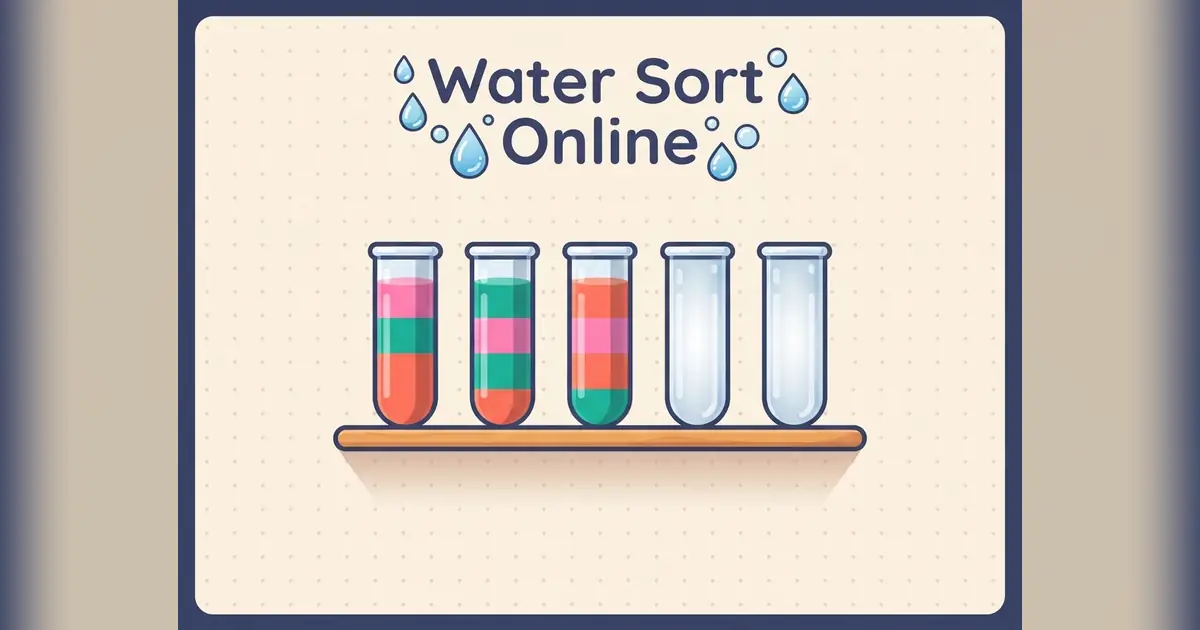
The guide on a game page is written after someone has finished real levels, not from a design note. For Water Sort Online that means pouring through boards until the empty-bottle problem shows up, then describing that problem in the guide. For Block Blast it means playing until the tray offers a shape that will not fit, and writing down which habit caused it.
If a tip sounds like it could apply to any puzzle on the internet, it is not ready. "Think ahead" is not a tip. "Do not fill the last empty bottle with a colour that is still scattered on other bottles" is a tip, because it is a way to lose this game and not a different one.
Phones first, then a desktop
Most people who open a browser game do it on a phone, so that is the first device we use. We check four things:
- A thumb can reach the controls without covering the board.
- Nothing important sits under the browser's address bar or the phone's home indicator.
- The game can be paused, and leaving the tab does not corrupt the level.
- Text is large enough to read without pinching.
Then we play the same levels with a mouse and keyboard. The controls on the page have to match the game. If the page says Z undoes a move, Z has to undo a move. When those two disagree, the page is wrong even if the game is fun, and we do not publish until they agree.
What a "no" looks like
These are the reasons a game does not get a page, even if the idea is good:
- A level can be lost to a bug. A soft-lock, a piece that falls through the floor, or a win that does not register.
- The rules are secret. If we cannot explain the scoring in two sentences after playing, players will not be able to either.
- The name or the art copies another game. We use our own titles and artwork. A familiar genre is fine. A copied character is not.
- It only works in one browser. We try current Chrome, Edge, Firefox and Safari. A game that needs a plug-in is out, because the point of the site is that nothing is installed.
A game that fails is fixed or dropped. It is not published with a warning in the guide. The guide is for playing well, not for apologising.
Scores, stars and the daily puzzle
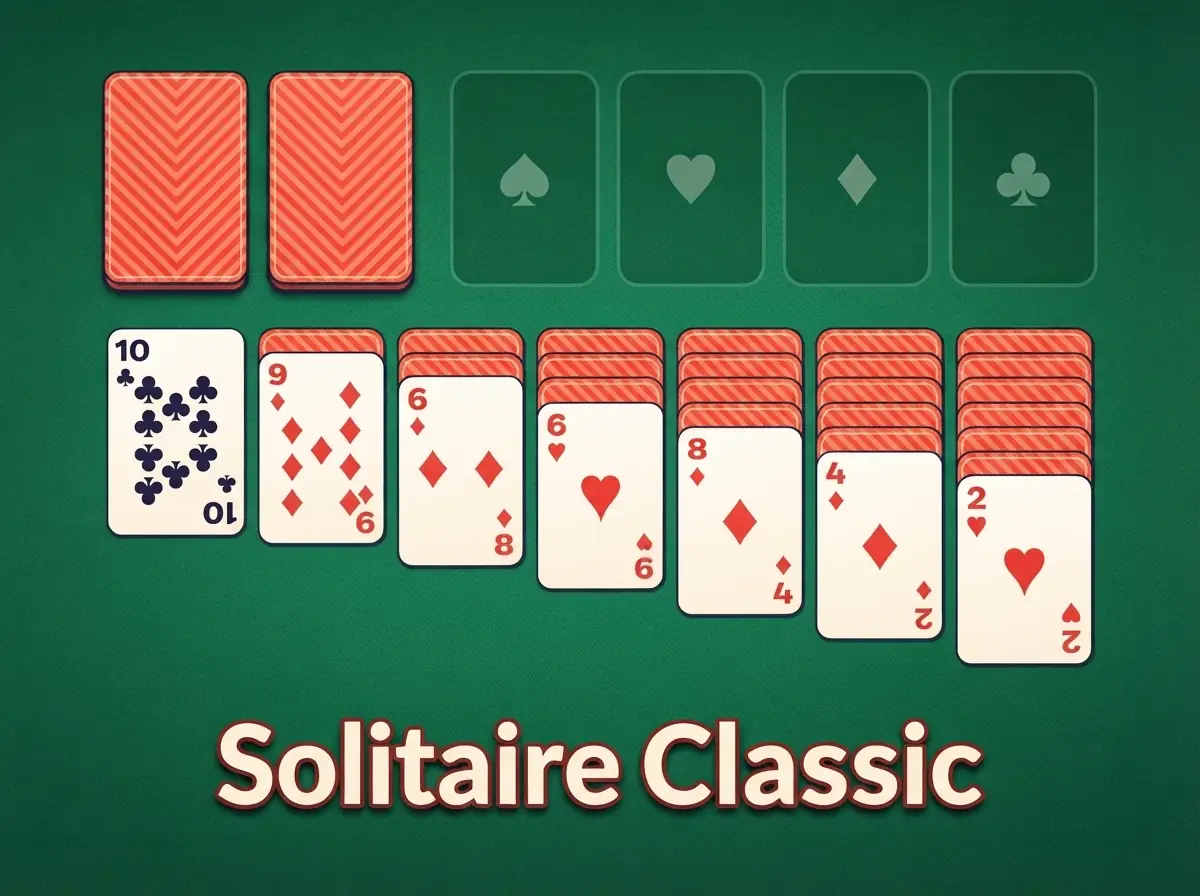
Where a game has a par time, a star rating or a daily deal, we check that the target is reachable. Solitaire Classic has a daily deal so there is one layout worth talking about. A par time that nobody on the team can meet is treated as a bug, not as a challenge. Difficulty should come from the puzzle, not from an unfair clock.
Best scores stay in the browser, on your device. We do not keep an account system, so we also check that clearing the site data behaves honestly: the game starts again, and it does not pretend your old score is still there.
Ads never sit on the game
The site is free, and advertising is how the hosting gets paid for once a network approves the site. The rule for placement is simple. An ad can sit between sections of a page. It cannot sit on the board, next to a pause button, or anywhere a thumb is likely to hit by accident. A game that only works if we cover part of the screen with an ad does not ship.
How to tell us we missed something
Reviews miss things. A level that breaks only on one phone, or a tip that went out of date after a change, is worth an email to info@crazyfunplay.com. Tell us the game name, the device and what you expected to happen. We would rather correct a guide than defend it.