How Arrow Puzzles Work (and How to Solve Them)
Arrow puzzles look simple, but every board hides a dependency chain. Here is the logic behind them and a step-by-step way to untangle any level.
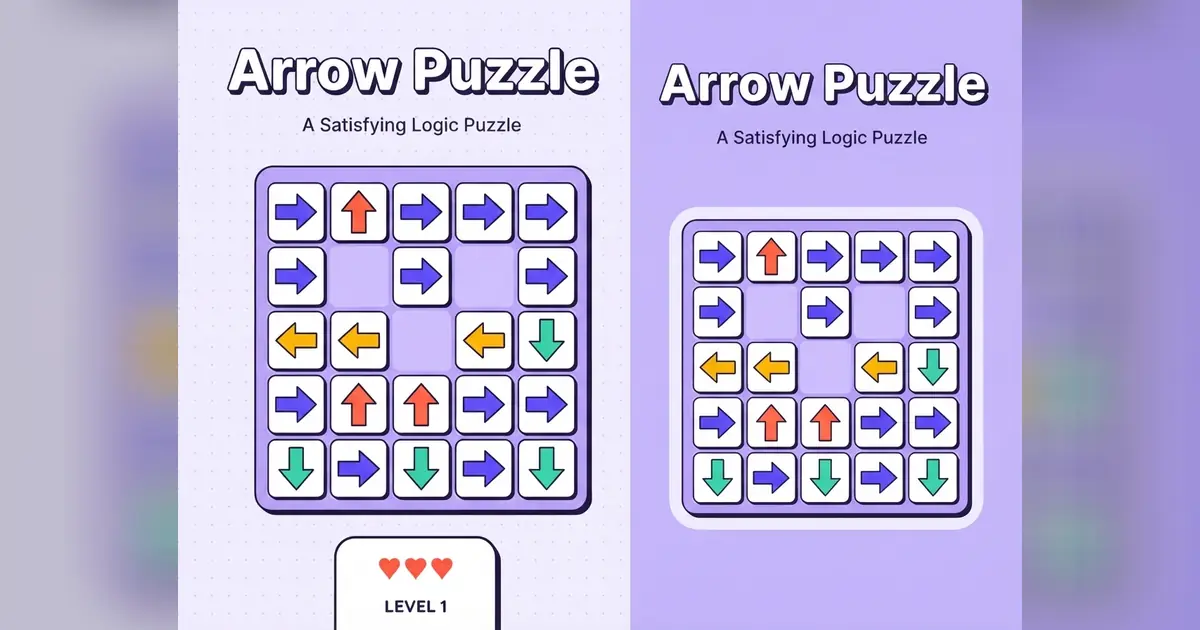
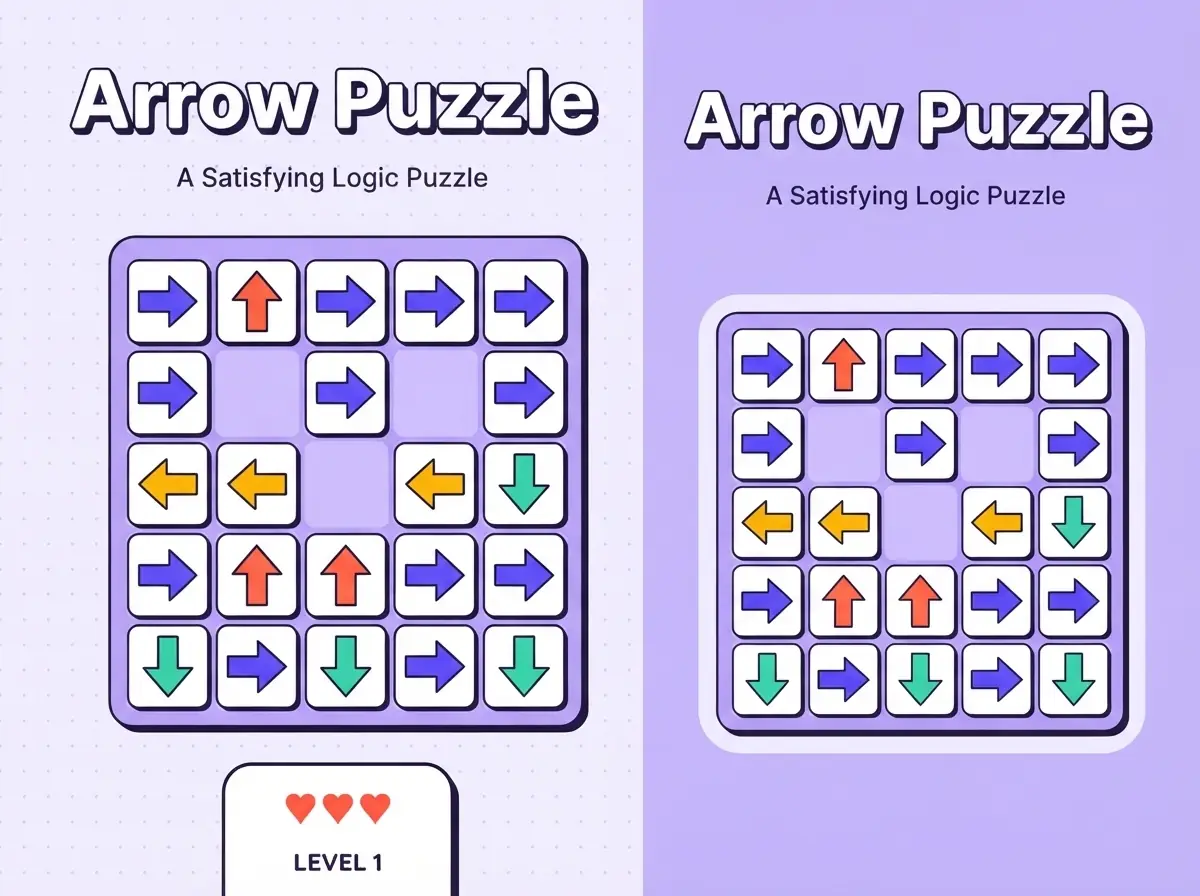
Arrow puzzles have one of the shortest rulebooks in puzzle gaming: each tile shows an arrow, and when you tap a tile, it slides in that direction until it leaves the board. If something is in the way, it bumps and stops. Clear every tile to win. So why can a board of twenty tiles keep you thinking for five minutes? Because every tile depends on others.
The hidden idea: dependencies
Imagine a tile pointing right. It can only escape if every tile to its right, in the same row, has already gone. That means this tile depends on those tiles. Each of them may depend on others in turn. An arrow puzzle is really a chain of "this must go before that" relationships drawn as a grid.
Once you see a board this way, the puzzle changes. You are no longer tapping and hoping. You are looking for the start of each chain.
Step 1: find the free tiles
A free tile is one with a clear path to the edge. Scan the board edge by edge:
- Tiles on the outer ring pointing outwards are almost always free.
- Tiles pointing along an empty row or column are free.
- Tiles pointing at another tile are blocked, for now.
Tap free tiles first. Each one you remove may free up others.
Step 2: watch for head-on pairs
The one pattern that makes a board impossible is two tiles pointing at each other in the same line with nothing between them. Neither can move past the other. Well-designed puzzles avoid this, but if you create a similar deadlock yourself by moving tiles into a bad position, you will need to undo.
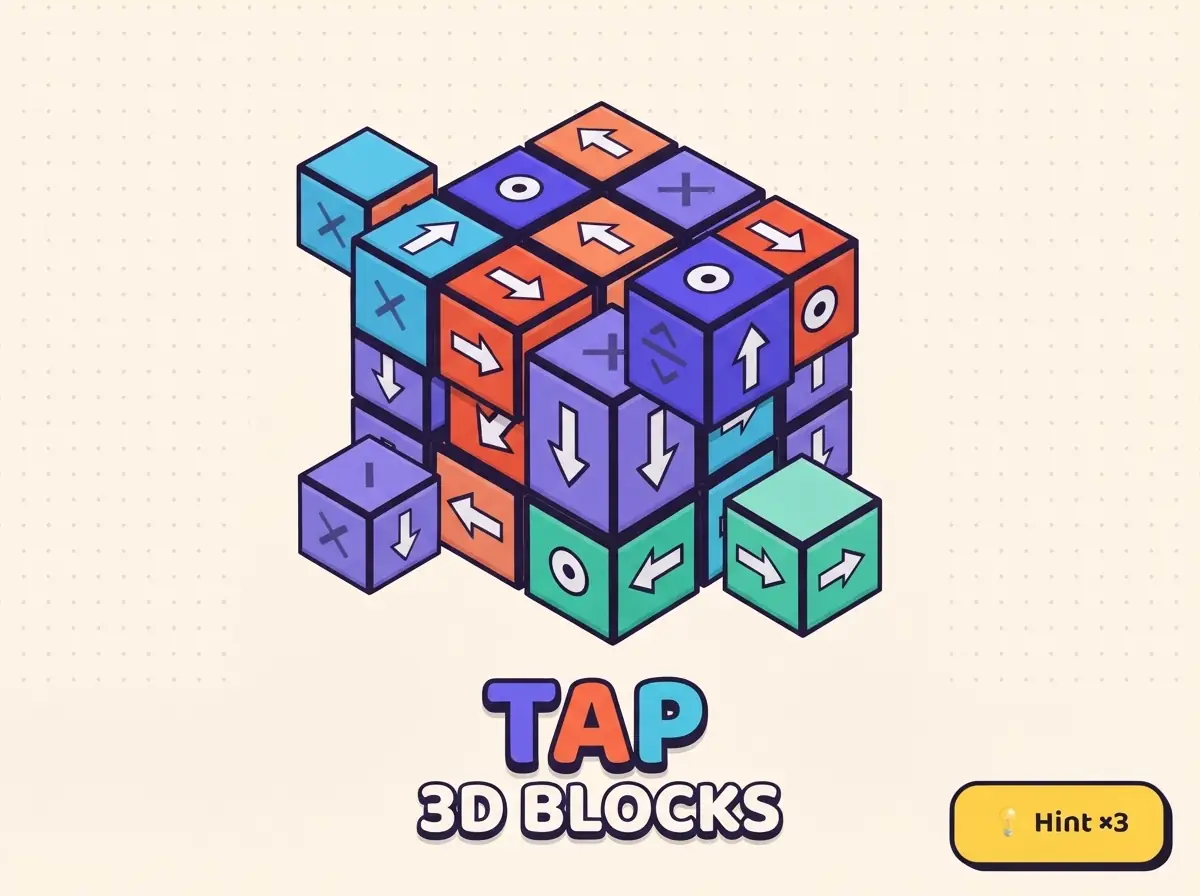
In our Arrow Puzzle, arrows leave the board completely, so you cannot create a head-on deadlock by accident. The challenge is purely about order. Tap 3D Blocks uses the same rule on a rotating 3D structure, where a blocker can hide on the far side.
Step 3: work from the outside in
Most boards are easiest when solved from the edges towards the middle. The centre tiles usually have the longest dependency chains, so they tend to be the last to become free. If you are stuck, look again at the outer ring. There is often a free tile you missed.
Step 4: plan the last few moves
Towards the end of a level, count the tiles left and trace their paths. With only four or five tiles, you can usually work out the exact order in your head before tapping anything. This is where the game rewards patience.
Why designers love this mechanic
Arrow puzzles are great to design because difficulty is easy to tune. A beginner board has short chains and lots of free tiles. An expert board has long chains, tiles that point across the whole grid, and just one or two free tiles at the start. The rules never change, only the structure.
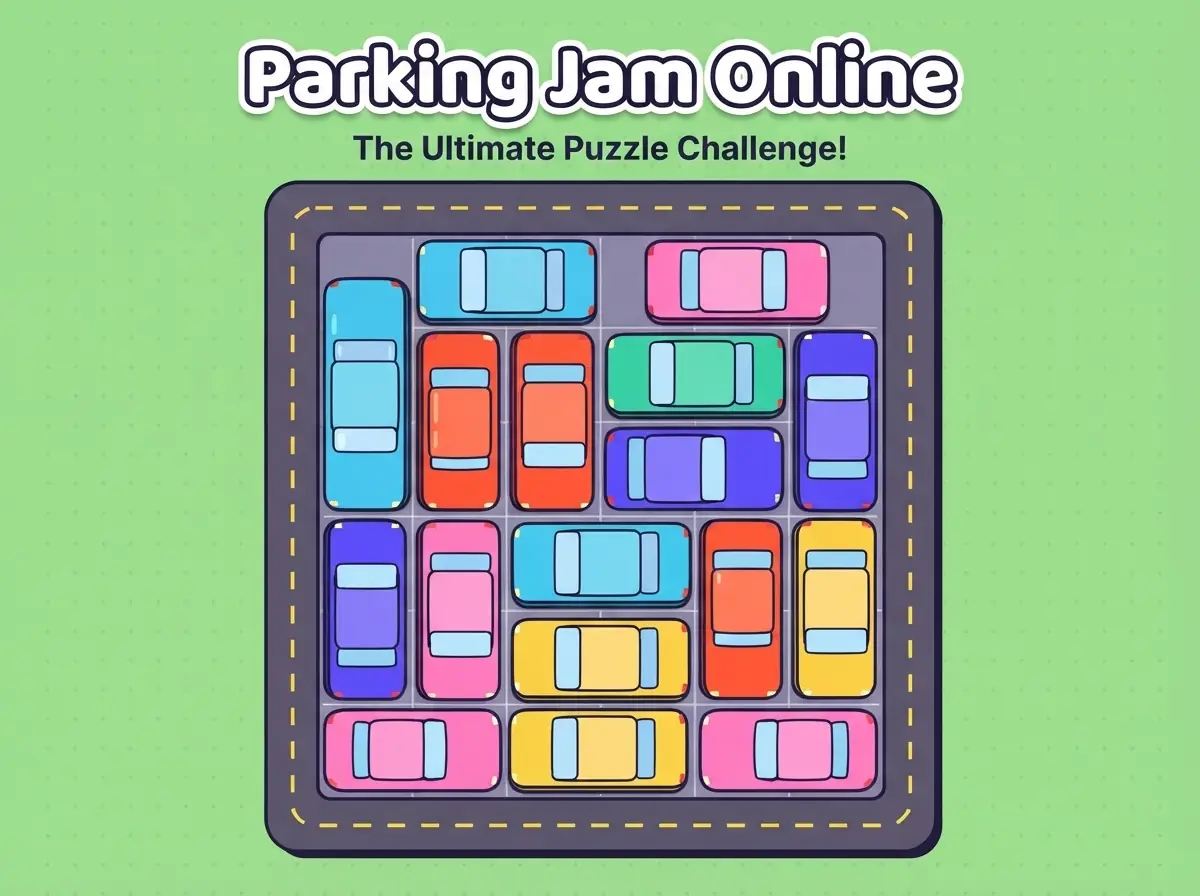
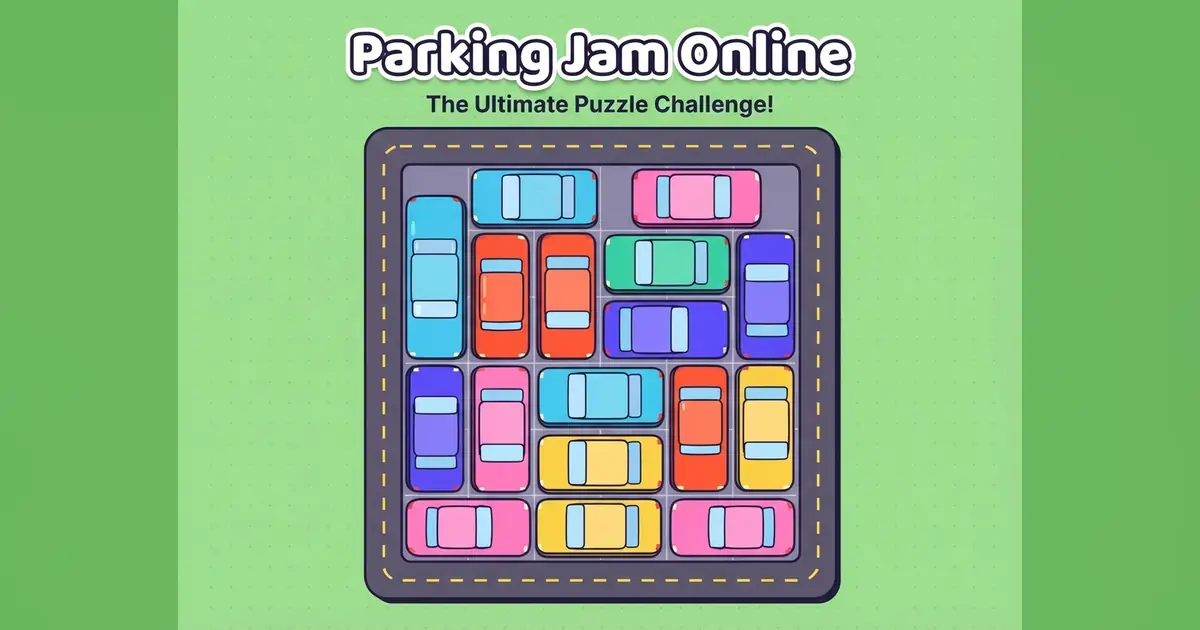
The same idea powers parking puzzles, like Parking Jam Online, where each car blocks others. Our parking puzzle tips show how that logic carries over.
Final thoughts
Next time you face a tangled arrow board, resist the urge to tap randomly. Find the free tiles, work from the outside in, and let the dependency chain unravel itself. It is one of the most satisfying "click" moments in puzzle games.